

Having a plan for emergency preparedness at home is not about painting doomsday scenarios. On the contrary, it is about taking an active role in your family's safety—a practical insurance policy to ensure you can manage if society's normal services are suddenly put on pause.
What emergency preparedness at home actually means

The thought of a societal crisis may feel distant, but in reality, these events are often closer than we think. A prolonged power outage in the middle of a cold winter, a cyberattack that knocks out payment systems, or extreme weather that blocks roads and disrupts food deliveries—all of these are entirely realistic scenarios.
The purpose of home preparedness is simple: to reduce your own vulnerability. It’s about ensuring that the most basic needs are covered for a limited time. Authorities recommend being self-sufficient for at least 72 hours, but aiming for a full week is highly encouraged.
The three pillars of your preparedness
Building solid emergency preparedness at home rests on three obvious but vital areas. If you focus on these, you have come a long way.
- Water and food: Access to clean drinking water and food that doesn't require refrigeration, freezing, or complicated cooking.
- Warmth and communication: The ability to stay warm without electricity and receive important information from authorities, for example via a crank radio.
- Health and safety: A good first aid kit, necessary medications, and basic hygiene items.
When you prepare, you're not just taking responsibility for your family; you're becoming part of society's overall resilience. For every household that can manage on its own, resources are freed up for those who truly need them, such as the elderly or the sick.
"An individual who is not prepared becomes a burden to others. It may sound harsh, but that's the reality."
– Mikael Frisell, former Director General of MSB (Swedish Civil Contingencies Agency).
This quote highlights exactly why this is so important. Every prepared home is a strong link in the chain that constitutes Sweden's total defense.
Why it's time to act now
The Swedish Civil Contingencies Agency (MSB) has been emphasizing this for a long time. Yet, the statistics show a somber picture. According to an article from EFN, only about 40 percent of Swedes have even begun building an emergency supply at home. This is an alarming figure, especially given the current security situation, where a strong total defense is more important than it has been in a very long time.
But getting started doesn't have to be difficult or expensive. Start small. Buy an extra can of food when you go shopping. Pick up a water jerry can the next time you see one. By integrating preparation into your everyday life, you slowly but surely build a sense of security that is invaluable the day it is actually needed.
How to secure food and water for at least one week
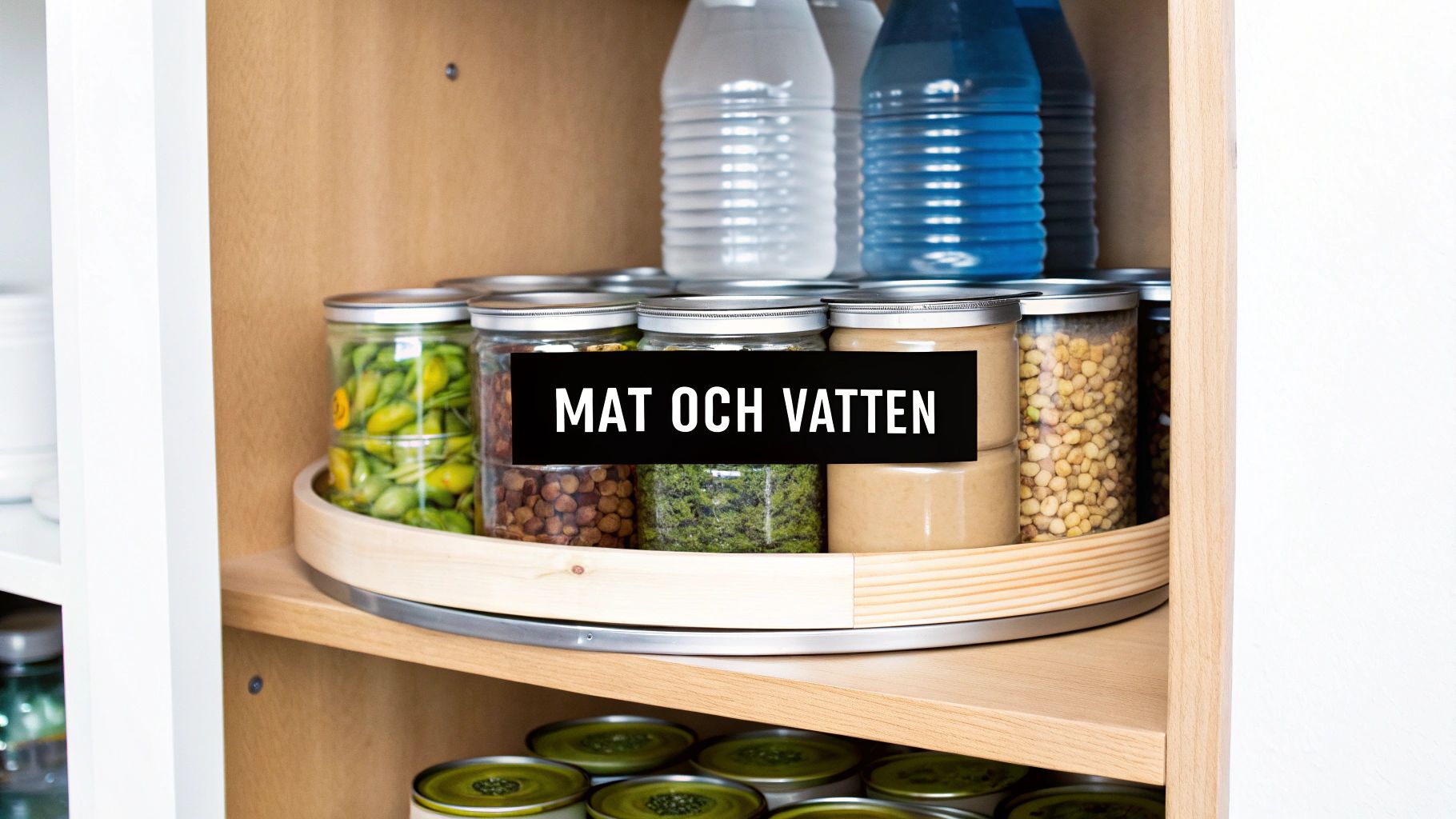
If the worst were to happen, two things trump everything else: clean water and nutritious food. This is the very foundation for you and your family to manage. Without these two in place, the rest of your home preparedness matters less. Let's go through how to build a smart and sustainable plan.
First up: water. We often take tap water for granted, but a power outage that knocks out pumps or contamination can quickly turn everything upside down. A good and simple rule of thumb is to secure at least 3–5 liters of water per person per day.
This amount covers not only drinking but also essentials like cooking and basic hygiene. For a family of four, that's 12–20 liters per day, which adds up to nearly 140 liters for a entire week. It sounds like a lot, but it's completely doable.
Build your water storage smartly
Storing water doesn't have to be complicated. The easiest way is to buy pre-bottled water or gallon jugs and store them in a dark, cool place. Another equally good option is to fill your own well-cleaned PET bottles or jerry cans with tap water.
- Store-bought water: Usually has a very long shelf life and is ready to be put away.
- Self-filled water: Make sure to rotate/replace it every three to six months to keep it fresh.
- Water purification: A water filter or purification tablets are your best friend when the unexpected happens. They take up almost no space and can purify large amounts of water from a nearby lake if your own supply runs low.
Boiling water works excellently for purification, but remember that it requires fuel. A gravity filter or purification tablets do the job without consuming energy—invaluable when resources are scarce.
Create a living pantry
When it comes to food, the absolute best strategy is to create a "rotating pantry." Forget that dusty emergency box in the back of the storage room. The principle is simple: store food that you and your family actually eat on a daily basis, but always keep an extra supply. Use the oldest items first and restock when you go shopping.
This way, you ensure the food is always fresh and you have full control over what's at home. You avoid the unpleasant surprise of reaching for cans that expired five years ago when a crisis actually hits.
Focus on food with a long shelf life, high energy content, and no need for refrigeration or freezing. Think of items that can be cooked on a camping stove or even eaten straight from the package.
Checklist for your base pantry
Here is a table providing a good overview of what a base pantry can contain. Quantities are adjusted to provide sufficient energy for two adults for 72 hours and can easily be scaled up.
| Food Category | Example Products | Recommended Amount (72h, 2 people) |
|---|---|---|
| Carbohydrates | Rice, pasta, oatmeal, crispbread, instant mashed potatoes | Approx. 1-1.5 kg dry weight |
| Proteins | Canned fish (tuna, mackerel), canned meat, beans, lentils, peanut butter | 6-8 cans (fish/meat), 1 kg (beans/lentils) |
| Fats & Flavorings | Rapeseed oil, nuts, bouillon cubes, salt, sugar, coffee/tea | 0.5 L oil, 1 pack of nuts, basic seasonings |
| Vitamins | Canned fruit, dried fruit, rosehip soup powder, multivitamins | 2-3 cans of fruit, 1 pack of dried fruit |
This list is an excellent foundation. Don't forget to supplement with items that boost morale—like chocolate, crackers, or energy bars.
To be truly prepared, you also need the right tools to open and prepare the food. If you want to know more about what complements your food storage, read our guide on practical survival equipment. A good can opener is just as important as the can itself.
Stay warm and connected when the power goes out
A power outage in the middle of a freezing Swedish winter can quickly turn a safe, warm home into a very cold and isolated place. Being able to keep warm and communicate with the outside world is not just a comfort—it is absolutely crucial, and a core part of emergency preparedness at home.
When the radiators go silent and the mobile network might be down, simple, proven solutions become your lifeline.
Without electricity, heat disappears surprisingly fast, especially in modern, well-ventilated homes. One of the smartest and most effective ways to combat the cold is to select a single room where the whole family gathers. Seal windows and doors with blankets, towels, or tape to stop all drafts. By concentrating body heat in a smaller area and insulating the room, you can maintain a tolerable temperature significantly longer.
Safe heat sources and safety mindset
If you plan to get an alternative heat source, such as a LPG or kerosene heater, safety is the absolute highest priority. They are incredibly effective, but they require good ventilation to avoid life-threatening carbon monoxide poisoning. Always read the instructions carefully and ensure you have both a working smoke detector and a carbon monoxide alarm in the same room. It's cheap life insurance.
An often-overlooked method is maximizing the body's own heat. It costs nothing and always works.
- Layering: Wear several thin layers instead of one thick one. The air between the garments acts as excellent insulation. Wool closest to the skin is unbeatable.
- Hat on indoors: It might sound silly, but a large portion of body heat is actually lost through the head.
- Sleep together: Share a bed and pile up all the blankets and duvets you can find. A good sleeping bag is a fantastic investment that keeps the heat in all night.
Communication when the network is down
When the power goes out, both the internet and the mobile network often disappear. In these cases, a reliable crank radio or a battery-powered radio becomes indispensable. Tune it to Sveriges Radio P4, which is the authorities' official channel for Important Public Announcements (VMA). This is where you will get confirmed information about the situation and what you should do.
A fully charged power bank feels secure, but what do you do when it's empty? Plan to be able to recharge your most important equipment. A modern crank radio with a USB port can actually give your phone enough power for a short, vital call or an SMS in an emergency.
To make your power banks last as long as possible, you need to use them wisely. Forget about doomscrolling. Turn off your phone completely and only turn it on at scheduled times to check for signal or update relatives.
A great supplement that can be a total game-changer if the outage is prolonged is investing in portable solar panels for charging.
Pack an emergency kit with what you actually need
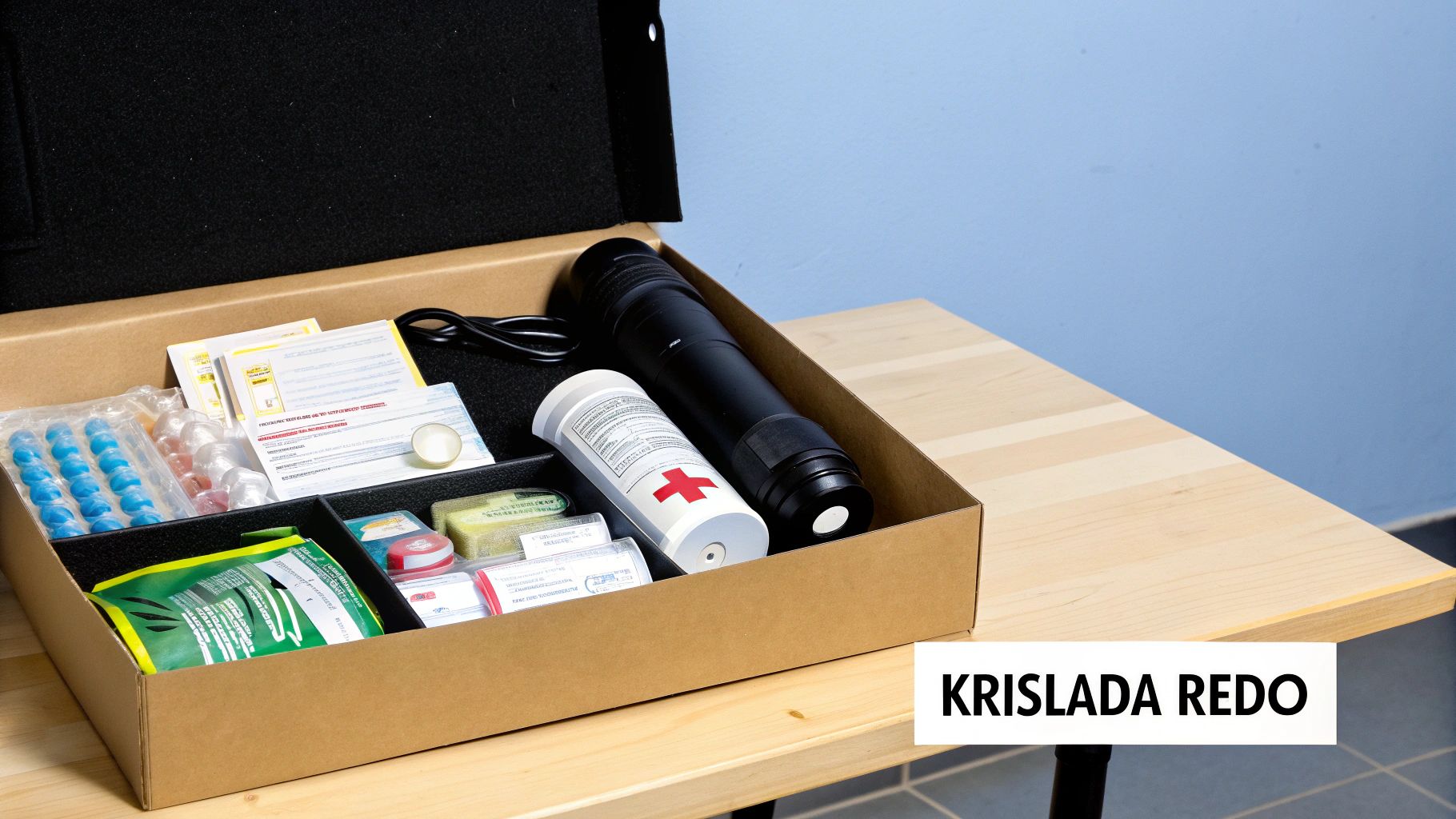
Okay, with food, water, and heat secured, you've handled the most fundamental parts of your home preparedness. Well done! Now it's time to move on to the tools and gear that make the difference between just surviving and actually handling a tough situation in a dignified and secure way. A smartly packed emergency kit (or 'crisis box') is your best friend when the unexpected happens.
Imagine a scenario where water stops flowing from the tap. Maybe a water leak or contamination knocks out the supply for several days. The municipality is working on it, but meanwhile, something as simple as hygiene becomes a real challenge. This is exactly when your emergency kit shows its true value.
Basic hygiene – more than just comfort
Being able to stay clean is not about luxury; it's about health. When society's normal systems are out of play, preventing the spread of infection is crucial. With a few simple items, you can go a long way.
- Wet wipes: Unbeatable for personal hygiene when there's no running water.
- Hand sanitizer: An absolute must for keeping hands clean, especially before eating or after using the toilet.
- Dry shampoo: Might feel like a bonus item, but it does wonders for both hygiene and morale.
- Trash bags: Incredibly versatile. Use them for trash, dirty clothes, or as a makeshift toilet solution if necessary.
Having these ready means you can maintain a basic standard of hygiene. This reduces the risk of illness and helps keep spirits up for everyone in the family.
According to a survey by the Red Cross, Swedes' emergency preparedness has increased significantly, with 60 percent now stating they have taken preparations. Despite this, there is a paradox: less than half feel they can rely on help from neighbors during a crisis, underlining the importance of strong individual preparedness. Read more about the survey's insights on Swedish crisis preparedness here.
Light and information when everything goes dark
When the power goes out, it gets dark. Really dark. Fumbling around in a darkened home is not just impractical; it can actually be dangerous. A reliable light source is therefore one of the most important items in your emergency kit.
A good flashlight or headlamp with extra batteries is the minimum. Candles and tea lights work, of course, but never forget the fire risk—never leave them unattended. Want a more robust and safe solution that providing bright and long-lasting light without an open flame? Check out our guide on choosing the right battery-powered LED lamp.
First aid and personal medications
A well-stocked first aid kit is a given. In a crisis situation, it may take time for help to arrive, so being able to treat minor injuries yourself is worth its weight in gold.
Checklist for your first aid kit:
- Wound care: Band-aids in various sizes, compresses, wound cleanser, surgical tape, and small scissors.
- Pain relief: Over-the-counter pain relievers such as paracetamol or ibuprofen.
- Personal medications: Ensure you have an extra supply for at least one week of any prescription medications you or anyone in the family needs.
- Misc: Tweezers, a thermometer, and perhaps a small first aid manual.
By gathering everything in one place, you can act quickly if an accident occurs. Remember, this emergency kit isn't just a collection of gear—it's an action plan to secure your and your family's health when you need it most.
Building mental strength and a strong neighborhood
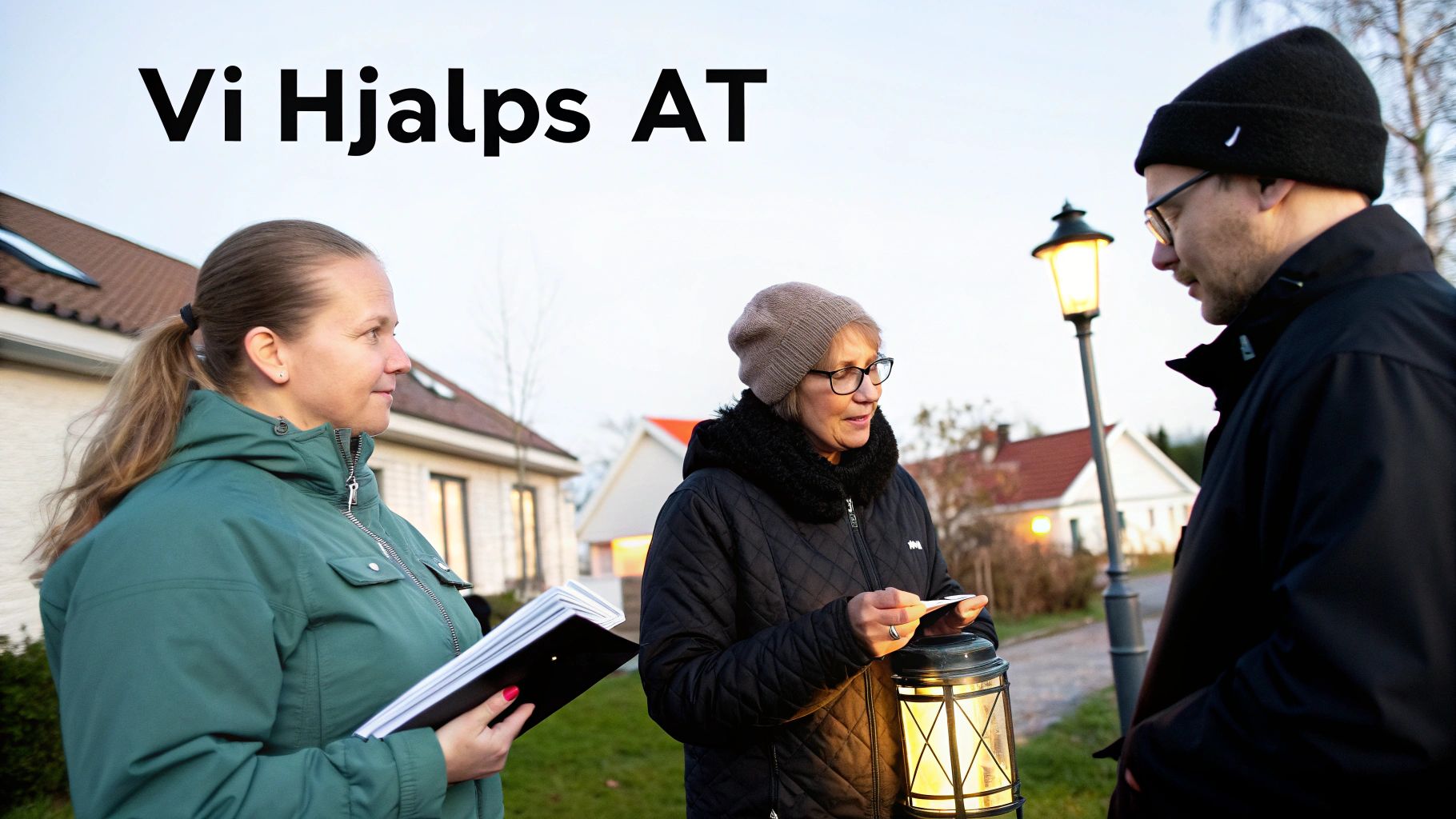
A well-stocked emergency kit and a pantry full of cans are a fantastic start. But the true foundation of emergency preparedness at home isn't in the gear—it's in your mind and in the community with those around you. Being able to handle stress, uncertainty, and collaborating with others is just as important as having access to water and heat.
A crisis challenges us all mentally. Our regular routines disappear, information can be scarce, and concern for family safety suddenly becomes very real. Preparing mentally is largely about accepting that the situation is different and shifting focus to what you can actually control.
A simple action that immediately reduces stress is creating a clear family plan. It doesn't have to be complicated at all.
- Designated meeting places: Where will you meet if you get separated and the mobile network is down? Choose one place near home and another further away.
- Clear responsibilities: Who is responsible for picking up the children from school? Who is in charge of the emergency kit? Clear roles create an immense sense of calm in a chaotic situation.
- Information sharing: Ensure everyone, including older children, knows where vital information and equipment are located.
This creates collective security and reduces the risk of panic if something unexpected happens.
The strength of a functioning neighborhood
Perhaps the most underrated resource in a crisis is your neighbors. Having a strong local network is invaluable. When society's usual safety net disappears, you are rarely strong alone. By collaborating, you can share resources, workload, and knowledge.
Start small. It's not about starting a formal association, but about building simple, everyday contacts.
- Exchange phone numbers: Make sure you have contact details for your closest neighbors.
- Inventory resources: Discuss who has what. Someone might have a camping stove, another a large freezer chest that stays cold for a long time, and a third might have extensive first aid skills.
- Discuss a plan: How can you help each other if someone gets sick or needs help fetching water?
Community is the ultimate insurance. A grill that can be shared, an extra hand to carry jugs, or just someone to talk to can make all the difference in the world when it really matters.
Interest in local preparedness has exploded. During Preparedness Week (Beredskapsveckan), an MSB initiative, as many as 260 municipalities and 290 organizations participated. Furthermore, 58 percent of municipalities raised their ambition level compared to the previous year, with investments ranging from rescue tents to urban farming.
You can read more about how the local community is preparing on the MSB website. This proves clearly that when individuals and neighborhoods take responsibility, Sweden's overall resilience is strengthened.
Frequently asked questions about home preparedness
Thinking about emergency preparedness at home often raises many questions. This is completely normal. To clear up some common uncertainties and help you get started on the right track, we have gathered the most common concerns here.
How long must I be able to manage on my own?
The Swedish Civil Contingencies Agency (MSB) has a clear recommendation: every household should be able to manage on its own for at least 72 hours. That's three full days. This is the estimated time it takes for society's vital functions to get back up and running after a major disruption.
But consider those 72 hours an absolute minimum. If you have the means, aim to be self-sufficient for at least a week. The longer you can manage, the safer you and your family are—and the less you burden society's resources when they are needed most.
Pre-made emergency kit or build your own?
This is a classic question, and the simple answer is that it depends entirely on you. There is no right or wrong; both paths have clear advantages.
-
Pre-made emergency kit: This is the quick and easy way to get a good start. You get a well-thought-out foundation with the most important items, such as water purification, first aid, and often a radio. Perfect for those who want a secure base immediately without spending a lot of time researching and comparing products.
-
Build your own: Putting together your own kit takes a bit more time but gives you total control. You can tailor the contents exactly to your family's needs—perhaps specific medications, food you actually like, or supplies for pets. Often, it can also be slightly cheaper in the long run if you already have some items at home.
A really good compromise is to buy a pre-made base kit and then build onto it. This gives you the best of both worlds: a quick start and a solution that is fully customized for you.
What is the single most important item?
If you really have to boil it down to one single item, it's hard to argue against a crank radio. Why? Because in a crisis, reliable information from authorities is worth its weight in gold. When the mobile network and internet are down, Sveriges Radio P4 is where you'll find out what's happening. Learn more about why a crank radio is an indispensable part of your emergency preparedness in our dedicated guide.
Must I have cash at home?
Yes, absolutely. In a major power outage, all digital payment systems stop working—card terminals, Swish (mobile payments), everything becomes unusable. Having a smaller amount of cash tucked away, preferably in small denominations, can be absolutely crucial for being able to buy food or fuel if the opportunity arises. Consider it your analog backup wallet.
To expand your emergency kit with reliable equipment like power banks, headlamps, and other practical outdoor gear, visit ActionKing. We have everything you need to be prepared. Explore our full range at https://actionking.se.


